
🧠 Gut–Immune Interface in Autoimmunity: Clinical Overview
Autoimmune disease often reflects a breakdown in immune tolerance, with the gut playing a central role in both initiation and perpetuation. The gut-associated lymphoid tissue (GALT) comprises ~70% of the immune system and serves as a critical checkpoint for antigen recognition and immune modulation.
🔬 Mechanistic Drivers
1. Intestinal Permeability (Leaky Gut)
Tight junction dysfunction allows translocation of dietary antigens, microbial fragments (LPS, peptidoglycans), and toxins into systemic circulation.
This antigenic load activates innate and adaptive immune responses, increasing cytokine production and autoantibody formation.
2. Molecular Mimicry
Foreign antigens (e.g., gliadin, viral proteins) share structural homology with host tissues.
Immune responses directed at these antigens cross-react with self-tissue (e.g., thyroid peroxidase in Hashimoto’s, myelin in MS).
This is amplified in the context of increased permeability and dysregulated antigen presentation.
3. Microbiome Dysbiosis
Reduced microbial diversity and loss of keystone species (e.g., Faecalibacterium prausnitzii) impair Treg induction and mucosal tolerance.
Overgrowth of pathobionts (e.g., Prevotella copri) correlates with increased Th17 activity and systemic inflammation.
Dysbiosis contributes to barrier dysfunction, altered bile acid metabolism, and immune activation.
🔥 Chronic Inflammation & Autoimmune Escalation
Once tolerance is breached, chronic inflammation becomes self-perpetuating:
↑ Autoantibodies (e.g., TPO, ANA, anti-dsDNA)
↑ Pro-inflammatory cytokines (IL-6, TNF-α, IFN-γ)
↑ T cell activation and tissue infiltration
↓ Regulatory T cell function
Clinical manifestations include fatigue, arthralgia, cognitive dysfunction, and organ-specific damage.
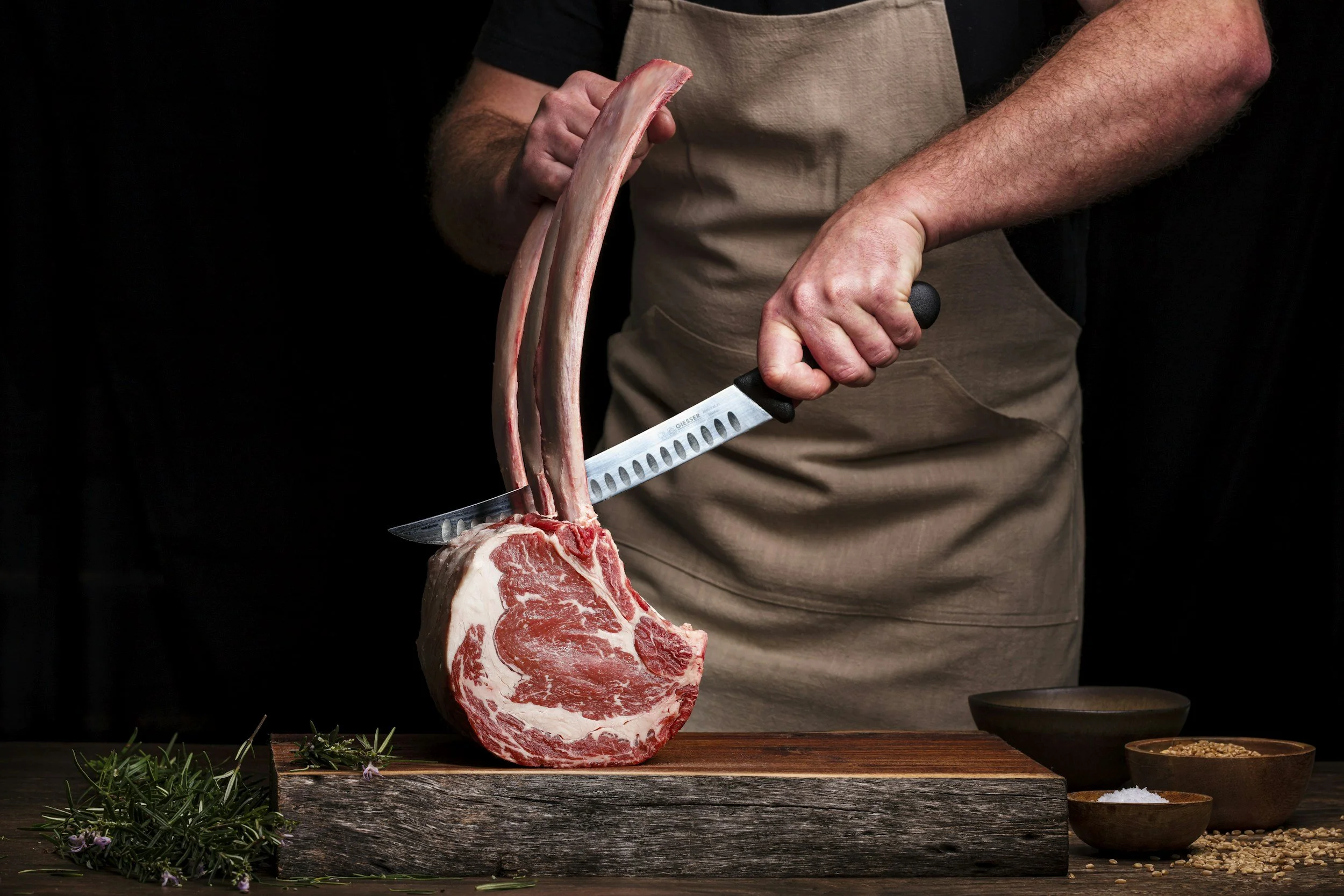
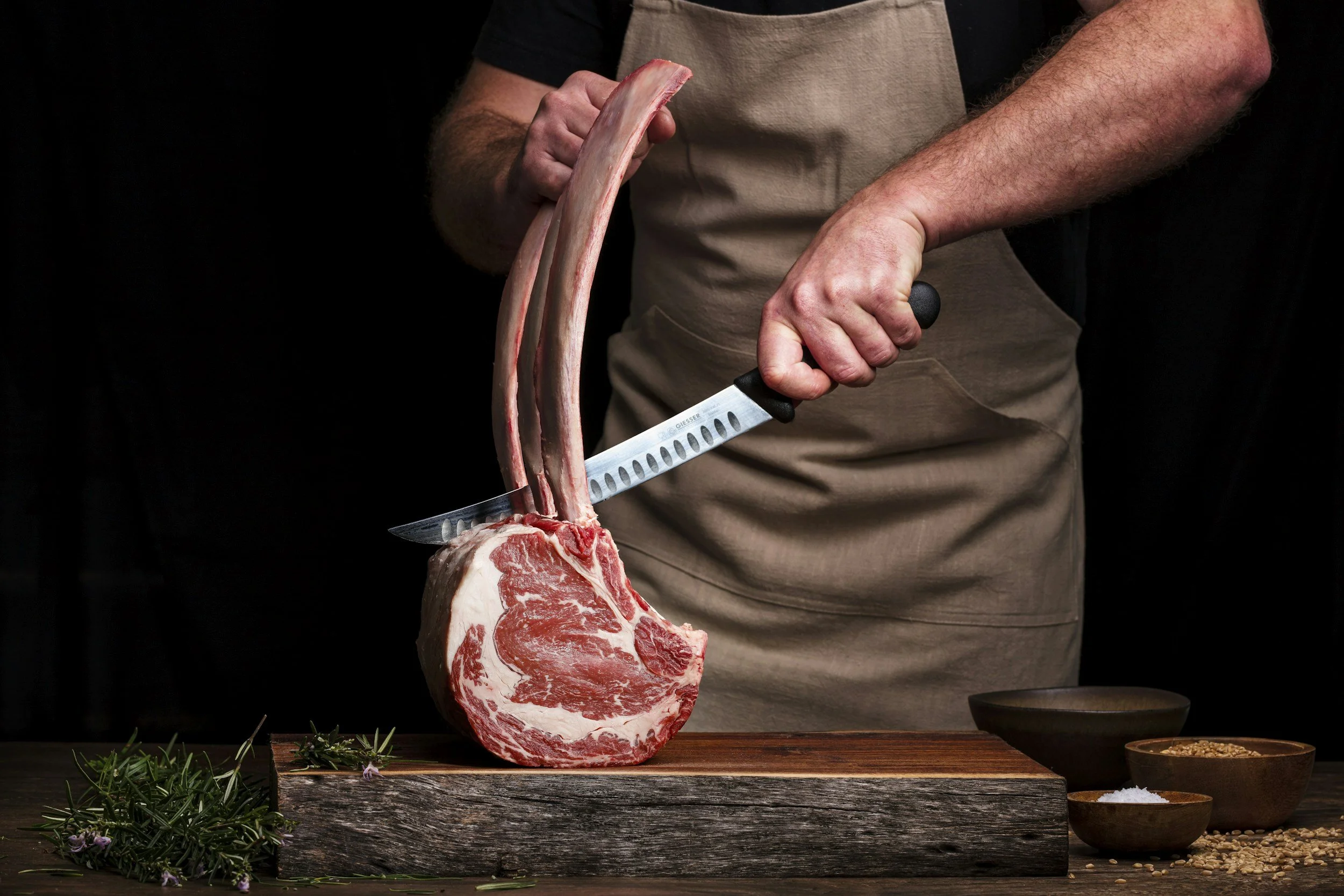
🥩 Therapeutic Reset: Carnivore-Inspired Protocols
Short-term carnivore-style interventions (4–12 weeks) may offer a therapeutic reset by:
Removing antigenic triggers: Eliminates gluten, lectins, seed oils, and processed carbohydrates.
Providing bioavailable nutrients: High-density sources of iron, zinc, B12, and fat-soluble vitamins support immune regulation and tissue repair.
Sealing the gut lining: Collagen, glycine, and glutamine from bone broth and connective tissue enhance mucosal integrity.
Modulating immune tone: Organ meats (e.g., liver, thymus) provide cofactors for hormone synthesis and immune resilience.
This approach is particularly relevant in Hashimoto’s, where elevated TPO antibodies may decline with gut-directed therapy.
🧪 Elimination Diets & Food Sensitivity Testing
For patients unable or unwilling to pursue carnivore protocols, elimination diets offer a structured alternative:
Phase 1: Remove common triggers (gluten, conventional dairy, soy, eggs, corn, nightshades)
Phase 2: Reintroduce systematically while monitoring symptoms and biomarkers
Phase 3: Personalize maintenance diet based on tolerance and clinical response
Food sensitivity testing may guide precision elimination, though clinical correlation is essential.
🧠 Clinical Summary
Autoimmunity is often a gut-origin pathology. Addressing intestinal permeability, dysbiosis, and antigenic load through targeted nutrition and immune modulation can reduce antibody burden and improve systemic resilience. Carnivore-inspired resets, elimination diets, and food sensitivity testing are viable tools within a phased, personalized protocol.
Jennifer Theriault MSN, PMHNP-BC
🏗️ Vitality Has a Blueprint
🧱 The Slabs: Foundational Supports
Food Food is information. Every bite sends signals to your cells, shaping inflammation, energy, and repair. When we eat with intention—choosing nutrient-dense, ancestral, and circadian-aligned nourishment—we support the body’s natural rhythm and resilience.
Movement Movement is circulation. It supports lymphatic flow, metabolic flexibility, and emotional release. But not all movement is created equal. Strength training, in particular, is a metabolic multiplier—it builds muscle, stabilizes joints, supports insulin sensitivity, and protects against age-related decline. Whether it’s walking, lifting, stretching, or dancing, daily movement is a signal to the body: we are alive, and we are safe.
Sleep Sleep is where healing happens. It’s the time when the nervous system recalibrates, tissues repair, and memory consolidates. Deep, consistent rest is non-negotiable for anyone seeking true recovery.
🧱 The Framing: Stabilizers and Amplifiers
Hydration Water is more than a beverage. It’s a conductor for detox, cognition, and emotional regulation. Even mild dehydration can elevate cortisol, impair focus, and dampen mood. Hydration is a quiet stabilizer—often overlooked, always essential.
Sunshine Sunlight is biological fuel. Infrared and UV light help structure cellular water, regulate hormones, and anchor circadian rhythm. It’s not just about vitamin D—it’s about mitochondrial charge, mood elevation, and reconnecting with nature’s cycles.
Stress Stress isn’t just emotional—it’s biochemical. Chronic stress disrupts digestion, immunity, and hormone balance. Learning to soften, breathe, and regulate isn’t a luxury—it’s a clinical intervention.
Passion Passion is the soul’s medicine. When we feel connected to purpose—whether through creativity, service, or spiritual practice—the body responds. Passion fuels healing in ways no lab test can measure.
When these foundations are honored, healing becomes less about complexity and more about clarity. The body begins to trust again. And in that trust, health is reclaimed—not as a goal, but as a birthright.
Build your HEALTH

🧬 What Are Bioregulators?
Bioregulators are short-chain peptides (2–4 amino acids) that act as “gene switches,” binding directly to DNA to modulate gene expression and restore cellular function. Unlike traditional peptides that act on receptors, bioregulators work epigenetically—making them ideal for tissue-specific repair, especially in aging or stressed systems.
Each bioregulator targets a specific organ or tissue:
🧠 Neuroendocrine: Pineal, Thymus, Ovary, Testes, Prostate
🦴 Structural: Bone Marrow, Cartilage, Muscle
🫁 Organ Support: Adrenal, Kidney, Liver, Pancreas, Stomach, Bladder, Lungs, Retina
🌿 Nature’s Marvels Bioregulators Each product is a short-chain peptide complex designed to support gene expression and cellular repair in its target tissue.
🧠 Neuroendocrine & Hormonal
Pineal – Regulates circadian rhythm, melatonin, and neuroimmune balance
Thymus – Supports immune modulation and T-cell maturation
Ovary – Targets ovarian hormone regulation and follicular health
Testes – Supports testosterone synthesis and spermatogenesis
Prostate – Modulates prostate tissue integrity and androgen signaling
🦴 Structural & Musculoskeletal
Bone Marrow – Stimulates hematopoiesis and immune cell production
Cartilage – Supports joint repair and chondrocyte function
Muscle – Enhances muscle regeneration and mitochondrial tone
🫁 Organ & Metabolic Support
Adrenal – Modulates cortisol rhythm and stress resilience
Kidney – Supports nephron repair and electrolyte balance
Liver – Enhances detox pathways and hepatocyte regeneration
Pancreas – Regulates insulin signaling and beta-cell function
Stomach – Supports mucosal integrity and digestive enzyme production
Bladder – Targets urothelial health and detrusor muscle tone
Lungs – Enhances alveolar repair and respiratory resilience
Retina – Supports photoreceptor health
🔗 How to Stack Them
Stacking bioregulators allows you to support interconnected systems—especially useful in trauma recovery, hormone modulation, mitochondrial repair, and immune recalibration. Here are 3 stack examples:
1. Gut–Brain–Immune Axis Stack
For neuroinflammation, histamine intolerance, and trauma-exposed patients:
Stomach – mucosal integrity, digestive enzyme support
Thymus – immune modulation, T-cell maturation
Pineal – circadian rhythm, melatonin, neuroimmune balance
→ Ideal for patients with gut-brain axis dysregulation, sleep issues, and mast cell instability.
2. Hormone Resilience Stack (Perimenopause or Androgen Decline)
For neuroendocrine recalibration and emotional resilience:
Ovary or Testes – hormone synthesis and follicular/testicular health
Adrenal – cortisol rhythm and stress resilience
Pineal – neuroendocrine balance and sleep regulation
→ Supports hormonal transitions, mood stability, and HPA axis recalibration.
3. Mitochondrial Repair + Structural Recovery Stack
For fatigue, muscle loss, and post-viral or aging-related decline:
Muscle – mitochondrial tone and regeneration
Bone Marrow – hematopoiesis and immune cell production
Liver – detox pathways and metabolic support
→ Great for post-illness recovery, aging patients, or those with chronic fatigue and poor resilience.

Foundations
It all begins with an idea.
Health isn’t something we chase—it’s something we remember. Beneath every protocol, supplement, and lab panel lies a deeper truth: the body knows how to heal when its foundations are supported. These seven pillars—food, hydration, sunshine, sleep, stress, movement, and passion—are not optional. They are the architecture of vitality.
Food
Food is information. Every bite sends signals to your cells, shaping inflammation, energy, and repair. When we eat with intention—choosing nutrient-dense, ancestral, and circadian-aligned nourishment—we support the body’s natural rhythm and resilience.
Hydration
Water is more than a beverage. It’s a conductor for detox, cognition, and emotional regulation. Even mild dehydration can elevate cortisol, impair focus, and dampen mood. Hydration is a quiet stabilizer—often overlooked, always essential.
Sunshine
Sunlight is biological fuel. Infrared and UV light help structure cellular water, regulate hormones, and anchor circadian rhythm. It’s not just about vitamin D—it’s about mitochondrial charge, mood elevation, and reconnecting with nature’s cycles.
Sleep
Sleep is where healing happens. It’s the time when the nervous system recalibrates, tissues repair, and memory consolidates. Deep, consistent rest is non-negotiable for anyone seeking true recovery.
Stress
Stress isn’t just emotional—it’s biochemical. Chronic stress disrupts digestion, immunity, and hormone balance. Learning to soften, breathe, and regulate isn’t a luxury—it’s a clinical intervention.
Movement
🧱 The Slabs: Foundational Supports
Food Food is information. Every bite sends signals to your cells, shaping inflammation, energy, and repair. When we eat with intention—choosing nutrient-dense, ancestral, and circadian-aligned nourishment—we support the body’s natural rhythm and resilience.
Movement Movement is circulation. It supports lymphatic flow, metabolic flexibility, and emotional release. But not all movement is created equal. Strength training, in particular, is a metabolic multiplier—it builds muscle, stabilizes joints, supports insulin sensitivity, and protects against age-related decline. Whether it’s walking, lifting, stretching, or dancing, daily movement is a signal to the body: we are alive, and we are safe.
Sleep Sleep is where healing happens. It’s the time when the nervous system recalibrates, tissues repair, and memory consolidates. Deep, consistent rest is non-negotiable for anyone seeking true recovery.
🧱 The Framing: Stabilizers and Amplifiers
Hydration Water is more than a beverage. It’s a conductor for detox, cognition, and emotional regulation. Even mild dehydration can elevate cortisol, impair focus, and dampen mood. Hydration is a quiet stabilizer—often overlooked, always essential.
Sunshine Sunlight is biological fuel. Infrared and UV light help structure cellular water, regulate hormones, and anchor circadian rhythm. It’s not just about vitamin D—it’s about mitochondrial charge, mood elevation, and reconnecting with nature’s cycles.
Stress Stress isn’t just emotional—it’s biochemical. Chronic stress disrupts digestion, immunity, and hormone balance. Learning to soften, breathe, and regulate isn’t a luxury—it’s a clinical intervention.
Passion Passion is the soul’s medicine. When we feel connected to purpose—whether through creativity, service, or spiritual practice—the body responds. Passion fuels healing in ways no lab test can measure.
When these foundations are honored, healing becomes less about complexity and more about clarity. The body begins to trust again. And in that trust, health is reclaimed—not as a goal, but as a birthright.
Passion
Passion is the soul’s medicine. When we feel connected to purpose—whether through creativity, service, or spiritual practice—the body responds. Passion fuels healing in ways no lab test can measure.
When these foundations are honored, healing becomes less about complexity and more about clarity. The body begins to trust again. And in that trust, health is reclaimed—not as a goal, but as a birthright.